Foundation only
This module prepares you to begin approved EMT education. It does not provide certification, course credit, local protocols, medical direction, or authorization to perform patient care.
Learning objectives
- Explain the central concepts in plain language.
- Recognize common terms, observations, or equipment connected to the topic.
- Identify what must be learned later from an approved instructor.
- Complete the guided practice station, applied activity, and lesson-specific knowledge check.
1. Physical demands
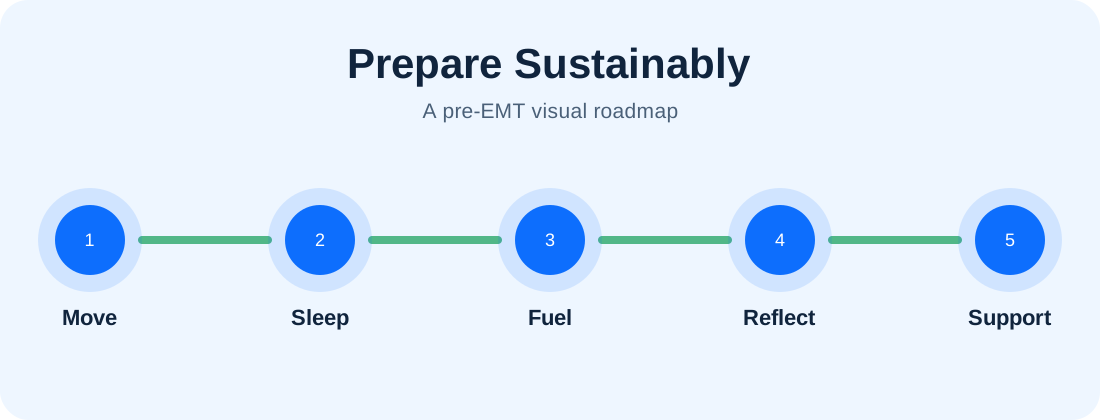
EMS can involve stairs, uneven ground, kneeling, reaching, pushing, pulling, carrying, awkward rooms, weather, and long periods in a vehicle. General preparation may include regular walking, safe strength work, mobility, and learning body mechanics. People with health concerns should seek individualized medical guidance.
2. Sleep, food, and hydration
Fatigue reduces attention, memory, patience, and physical performance. Build a sleep plan around class, clinicals, and work. Pack realistic meals and water. Avoid depending on excessive caffeine to replace sleep. A simple routine is more valuable than a perfect plan that cannot be maintained.
3. Emotional exposure
Students may encounter pain, fear, death, neglect, violence, family distress, and living conditions unlike their own. Reactions can include sadness, intrusive thoughts, irritability, numbness, or difficulty sleeping. Use program support, trusted peers, family, chaplaincy, employee assistance, or professional care when needed.
4. Boundaries and healthy coping
Protect privacy, avoid posting patient stories, and do not use patients as entertainment. Healthy decompression may include movement, sleep, conversation, hobbies, time outdoors, or counseling. Alcohol or risky behavior should not become the primary coping strategy.
5. Personal readiness plan
Identify transportation and childcare backups, a study partner, a support person, your stress warning signs, a healthy decompression activity, and the person you will contact when you are falling behind. Planning before stress makes help easier to use.
Put the lesson into practice
Write a readiness plan with one physical habit, one sleep protection, one support person, one warning sign, and one healthy decompression activity.
Check your understanding
This is a readiness check, not a certification exam.
Helpful links and practice tools
EMS Wellness Guide
Open tool →988 Lifeline
Open resource →Mark this module complete when ready
You should be able to summarize the lesson without reading it word-for-word and identify at least one area to revisit.