Foundation only
This module prepares you to begin approved EMT education. It does not provide certification, course credit, local protocols, medical direction, or authorization to perform patient care.
Learning objectives
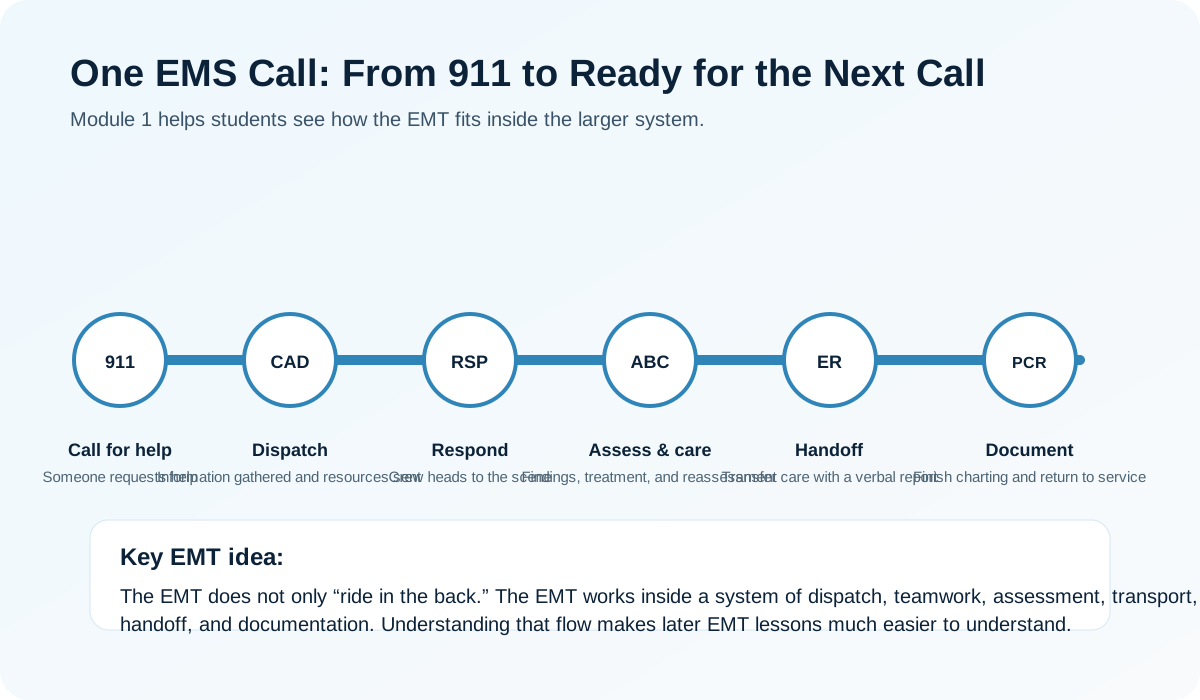
- Describe how a 911 call moves from dispatch through patient handoff and documentation.
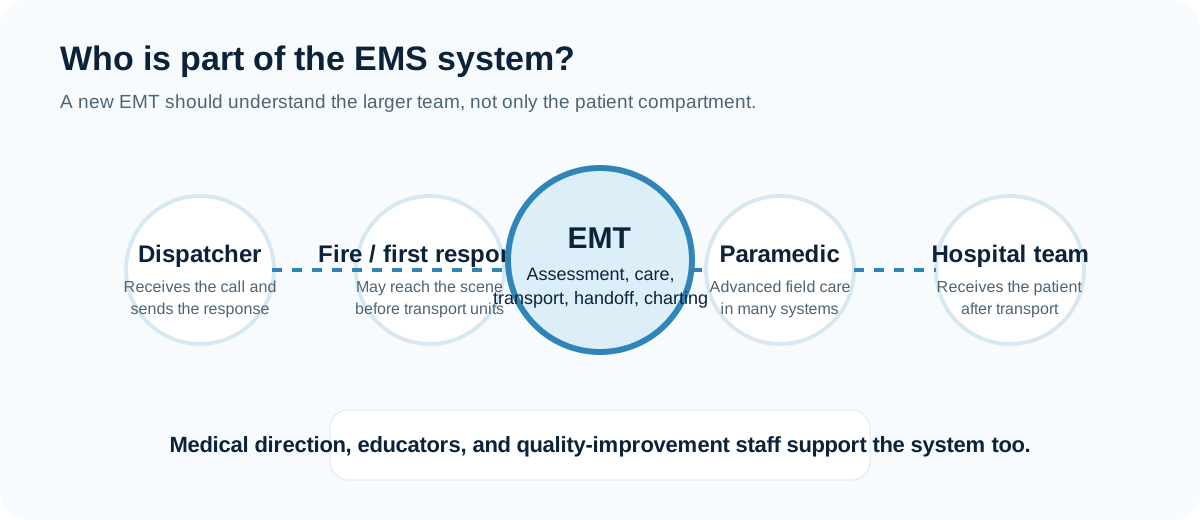
- Identify who works inside the EMS system and what the EMT contributes at each stage.
- Recognize the general differences between EMR, EMT, AEMT, and paramedic roles.
- Practice scope, professionalism, and handoff decisions through interactive activities—not just reading and a quiz.
1. Start with your first EMS call
Instead of beginning with definitions only, this lesson begins with a simulated dispatch. Students learn Module 1 best when they can picture an actual call and then place each EMS role inside that call.
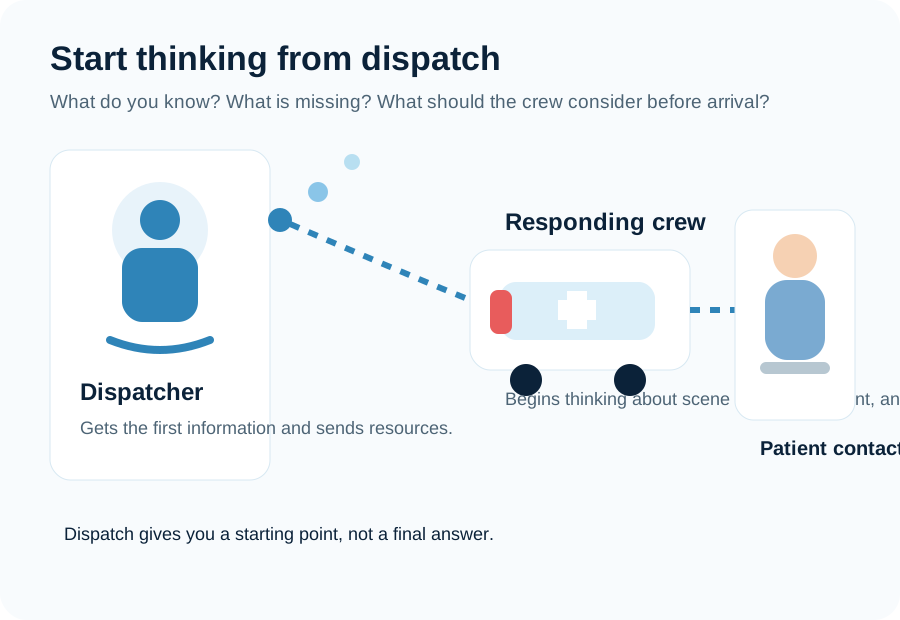
Sample dispatch
“Medic 4, Ambulance 2—respond to a 68-year-old male with chest discomfort and difficulty breathing.”
Use the activities below to decide what you already know, what is still missing, who might respond, and what the EMT should begin thinking about before arriving on scene.
2. Understand the EMS system as one continuous process
EMS is more than “the ambulance ride.” It is a coordinated system that starts when someone asks for help and continues through dispatch, response, patient care, transport, transfer of care, documentation, and readiness for the next call. A dependable EMT understands both the patient encounter and the larger system around it.
Before arrival
Dispatch receives information, prioritizes the call, and sends appropriate resources. The crew starts thinking about safety, likely problems, and needed equipment.
On scene and during transport
The EMT assesses, treats, reassesses, communicates, moves the patient safely, and documents objective findings and changes.
After arrival
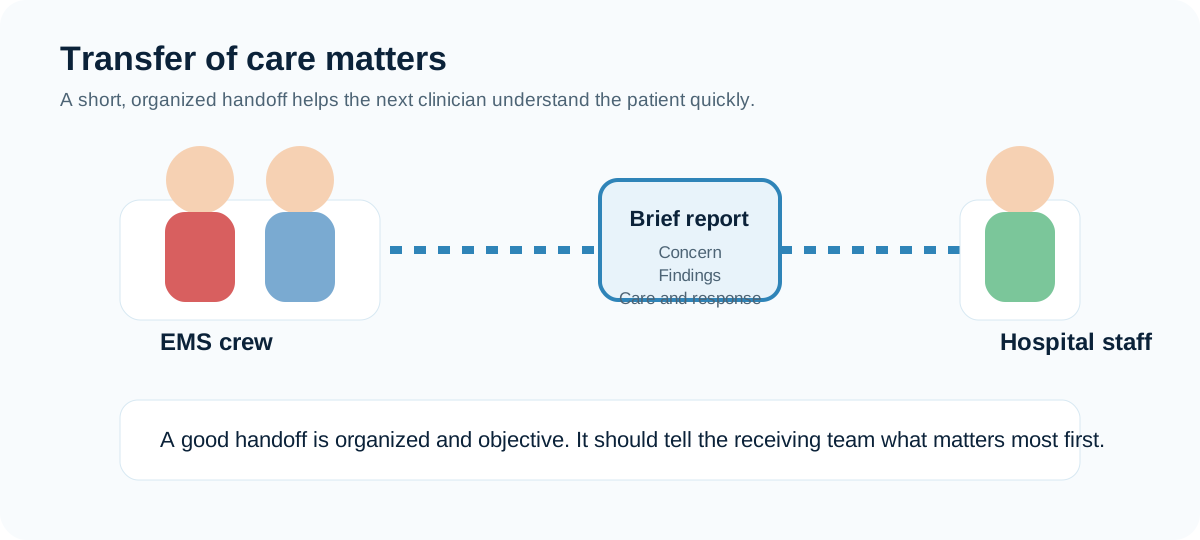
Safe transfer of care, a concise verbal report, complete documentation, and unit reset all remain part of patient care.
3. Know where the EMT fits
Most EMS systems use provider levels such as EMR, EMT, AEMT, and paramedic, but exact titles and scopes can vary by state and service. In general, the EMT provides foundational out-of-hospital assessment and care while working under education, state scope, local protocol, agency policy, and medical direction.
Certification
Shows that a person met a defined educational and testing standard.
State authorization or licensure
Permits practice in that jurisdiction according to state rules.
Agency credentialing
Allows the provider to function under that service’s policies and medical direction.
Daily EMT work
Assessment, airway and breathing support, bleeding control, splinting, selected medications or assistance, transport, communication, and documentation within local authorization.
4. Practice professional boundaries and scope decisions
Confidence in EMS should come from preparation and repetition, not from pretending to know more than you do. EMTs are expected to communicate clearly, protect privacy, stay objective, ask for help early, and work within approved scope and local direction. Module 1 should help students practice those decisions before they ever enter a lab or ambulance.
Quick reminder
An EMT does not independently diagnose every illness, replace the physician, or have identical scope everywhere. The EMT contributes structured assessment, immediate care, communication, safe transport, and documentation inside the EMS system.
5. Explore where EMTs may actually work
Students often picture only one type of ambulance job, but EMTs can work in several environments. Exploring those settings now helps students connect the profession to real career options and understand why local systems can operate differently.
Local EMS worksheet
Turn the lesson into something personal. Identify who responds in your area and where an EMT student might train or work. These notes save only on this device.
Check your understanding
This is a readiness check, not a certification exam.
Helpful links and practice tools
National Registry EMT pathway
Open resource →EMS.gov Education
Open resource →Explore EMS careers
Open guide →Career paths and pay
Open guide →Mark this module complete when ready
You should be able to explain the EMS call flow, the EMT’s role, and the purpose of a clear handoff without reading the page word-for-word.